Shower Filters for Dry Skin, Eczema & Sensitivity: Honest Guide (2026)
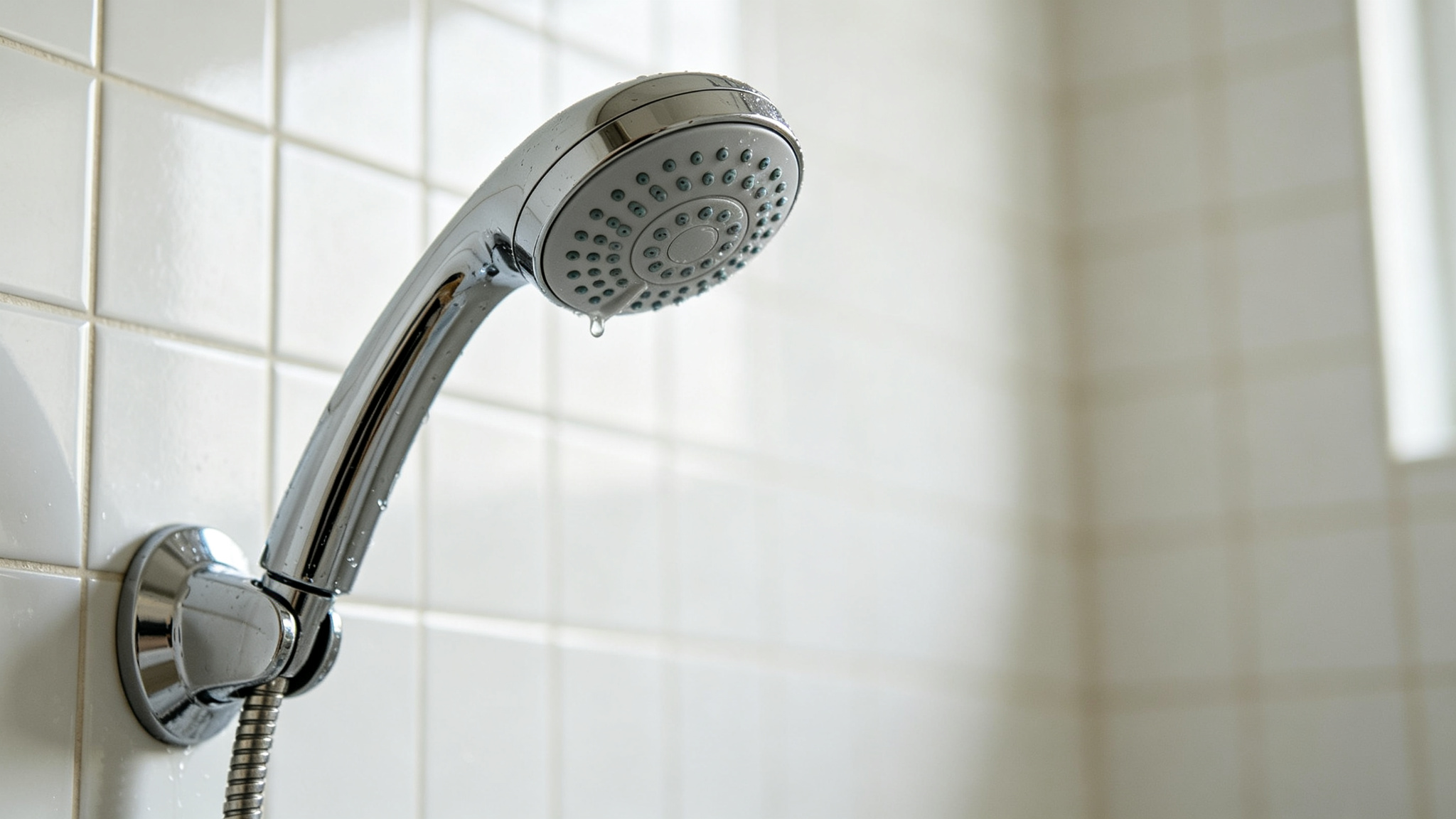
If your skin feels tight, itchy, or irritated after showering, you’ve probably wondered: is it the water? And would a shower filter help?
We’re Zooshen — we build shower filters. What we’ll tell you is the honest version: what chlorine actually does to your skin, what a filter can and can’t do, and when to see a dermatologist instead.
What Chlorine Does to Your Skin
Chlorine is added to public water to kill bacteria. It’s safe to drink, but on skin it can:
- Strip natural oils — chlorine breaks down the sebum layer that keeps skin moisturized
- Cause dryness and tightness — that “squeaky clean” feeling is actually over-stripping
- Irritate sensitive skin — for people with eczema or rosacea, chlorine can trigger flares
- Irritate scalp — chlorine can contribute to dandruff and dry scalp
This is established chemistry. Chlorine is a disinfectant — it’s designed to kill bacteria, and it can disrupt your skin’s natural barrier.
What a Shower Filter Actually Does
Here’s the honest version:
What it can do:
- Reduce chlorine exposure — KDF-55 and vitamin C media convert chlorine to harmless chloride
- Reduce the “stripped” feeling — many people notice less tightness after showering
- Help sensitive skin — for some people, reduced chlorine means fewer flares
What it CANNOT do:
- Cure eczema — eczema has multiple causes (genetics, immune system, environmental triggers). A shower filter removes one potential trigger, not the condition.
- Treat rosacea or acne — those need dermatology treatment
- Replace moisturizer — your skin still needs post-shower lotion
- Softens hard water — calcium and magnesium stay
Bottom line: A shower filter removes one irritant (chlorine). It’s not a skincare treatment.
What the Research Says
The evidence is mixed but consistent on one point: chlorine is an irritant.
- Dermatologists (including Dr. Joshua Zeichner at Mount Sinai) note that chlorine is known to be drying and can lead to contact dermatitis.
- Reduced chlorine exposure can help some people with sensitive skin — but results vary by individual.
- Eczema is multifactorial. Removing chlorine may help one trigger, but it’s not a cure.
When a Shower Filter Makes Sense
Consider a shower filter if:
- Your skin feels tight and itchy after every shower
- You have eczema or rosacea and want to reduce potential triggers
- You can smell chlorine in your hot shower
- Your dermatologist has mentioned water quality as a factor
When to See a Dermatologist Instead
See a dermatologist if:
- You have persistent rashes, severe itching, or skin lesions
- A shower filter hasn’t helped after 4–6 weeks
- Your eczema is actively flaring
A shower filter is a low-risk experiment, not a medical treatment.
Best Shower Filter for Dry Skin
If you decide to try a shower filter for your skin, look for:
- KDF-55 media — reduces free chlorine
- Vitamin C option — if your water uses chloramine
- NSF/ANSI 177 certification — independent testing confirms chlorine reduction
- Replaceable cartridges in stock
Zooshen Shower Filters for Skin
We’re a brand, so we’ll tell you about ours:
- KDF-55 + activated carbon — reduces free chlorine in hot water
- NSF/ANSI 177 certified — independent testing confirms performance
- Tool-free install — 5 minutes, no plumber
- Replaceable cartridges in stock
See the Zooshen shower filter collection.
Frequently Asked Questions
Do shower filters help with dry skin?
They can reduce the chlorine that strips your skin’s natural oils. Many people notice less tightness after showering. But it’s not a cure for eczema or a replacement for moisturizer.
Can a shower filter cure eczema?
No. Eczema has multiple causes. A shower filter removes one potential trigger (chlorine), but it’s not a treatment.
How long before I see results for my skin?
4–6 weeks. If you don’t notice a difference after that, chlorine probably isn’t your main issue.
Should I see a dermatologist first?
If you have persistent rashes, severe itching, or active eczema flares, yes. A shower filter is a low-risk experiment, not a medical treatment.
FAQ Schema: This block is structured for FAQPage schema.
The Bottom Line
A shower filter reduces chlorine exposure, which can help with the “stripped” feeling on sensitive skin. It’s not a cure for eczema, rosacea, or acne — those need dermatology. But it’s a low-risk experiment that might reduce one irritant.
You can read more on the shower filter for hair and skin page, or browse the Zooshen shower filter collection.
About the Author
Zooshen Water Quality Team — Zooshen is a shower filter brand focused on KDF-55 media, NSF/ANSI 177 certification, and tool-free installation.
We’re a brand, not an independent review site.
External references:
– American Academy of Dermatology
– EPA: Drinking Water Standards
– NSF/ANSI 177: Shower Water Treatment Products
Last updated: September 21, 2026.
Image Alt Text Cheat Sheet
| Image File | Alt Text |
|---|---|
images/01-skin-hero.jpg |
Shower filter for dry skin — chrome shower head on white tiled wall |