How Does a Shower Filter Work? Honest Guide (2026)
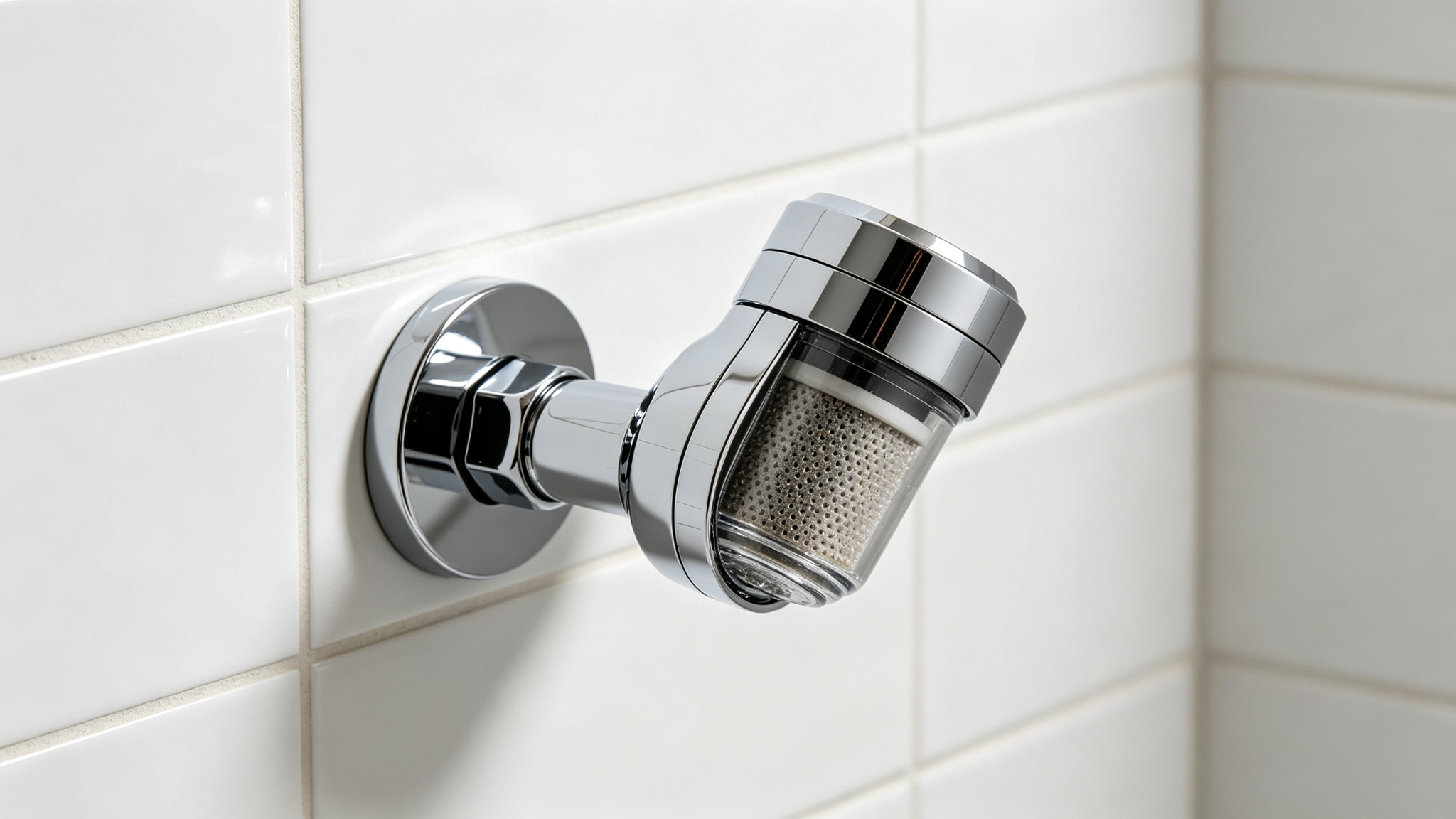
You bought a shower filter. It screws onto your pipe, water goes through, and… it works. But how? What’s actually happening inside?
We’re Zooshen — we make shower filters. What we’ll tell you is the honest version: it’s chemistry, not magic.
The Quick Answer
| Question | Honest Answer |
|---|---|
| How does it work? | Chemistry. Different media use different reactions. |
| What does KDF-55 do? | Redox reaction. Converts chlorine to harmless chloride. |
| What does activated carbon do? | Adsorption. Chemicals stick to the surface. |
| How long does it last? | Months. The media gets used up. |
The Basic Idea
A shower filter is a housing filled with filter media. Water flows through, and the media removes contaminants.
Simple Process:
- Water enters the filter housing
- Water passes through the media
- Contaminants are removed by the media
- Cleaner water exits to your shower head
That’s it. The magic is in what the media does.
KDF-55: The Redox Reaction
KDF-55 (copper-zinc alloy) works through redox (oxidation-reduction) reactions.
How It Works:
- Chlorine (HOCl) touches the copper-zinc alloy
- Electrons are exchanged between the metals and chlorine
- Chlorine is converted to harmless chloride ions
- Heavy metals (lead, mercury) are captured
- Bacteria are inhibited by the electrochemical environment
What It Removes:
- ✅ Free chlorine
- ✅ Lead, mercury
- ✅ Inhibits bacteria and algae
Activated Carbon: Adsorption
Activated carbon works through adsorption — chemicals stick to the surface.
How It Works:
- Water passes through the porous carbon
- Chemicals stick to the carbon surface
- Cleaner water comes out the other side
What It Removes:
- ✅ Remaining chlorine
- ✅ Volatile Organic Compounds (VOCs)
- ✅ Odors and tastes
Sediment Pre-Filter: Physical Filtration
Sediment pre-filter works through physical filtration — like a sieve.
How It Works:
- Water passes through the porous pad
- Particles get caught in the pores
- Cleaner water continues to the main media
What It Removes:
- ✅ Dirt and sand
- ✅ Rust particles
- ✅ Sediment
Why Multi-Stage Is Better
A multi-stage filter combines all three:
| Stage | Media | What It Does |
|---|---|---|
| Stage 1 | Sediment pre-filter | Catches particles |
| Stage 2 | KDF-55 | Removes chlorine, metals, inhibits bacteria |
| Stage 3 | Activated carbon | Adsorbs chemicals, odors |
This way, each stage targets different contaminants.
Why It Doesn’t Last Forever
The media gets used up:
- KDF-55 — the redox reaction consumes the alloy
- Activated carbon — the adsorption sites fill up
- Sediment pre-filter — the pores get clogged
That’s why you need to replace the cartridge every 2-6 months.
Frequently Asked Questions
How does a shower filter work?
Chemistry. KDF-55 uses redox reactions. Activated carbon uses adsorption. Sediment pre-filter uses physical filtration.
Does it really remove chlorine?
Yes. KDF-55 and activated carbon both remove free chlorine. NSF certification verifies this.
Why does it stop working after a few months?
The media gets used up. KDF-55 alloy depletes. Carbon sites fill. Sediment clogs.
FAQ Schema: This block is structured for FAQPage schema.
The Bottom Line
Shower filters work through chemistry, not magic. KDF-55 uses redox reactions. Activated carbon uses adsorption. That’s why they need cartridge replacement every few months.
You can read our guides on what is KDF-55 media and what is activated carbon.
About the Author
Zooshen Water Quality Team — Zooshen is a shower filter brand focused on KDF-55 media, NSF/ANSI 177 certification, and tool-free installation.
We’re a brand, not an independent review site.
Last updated: September 22, 2026.